
Don’t miss the Head’s Blog
Lots of exciting news!
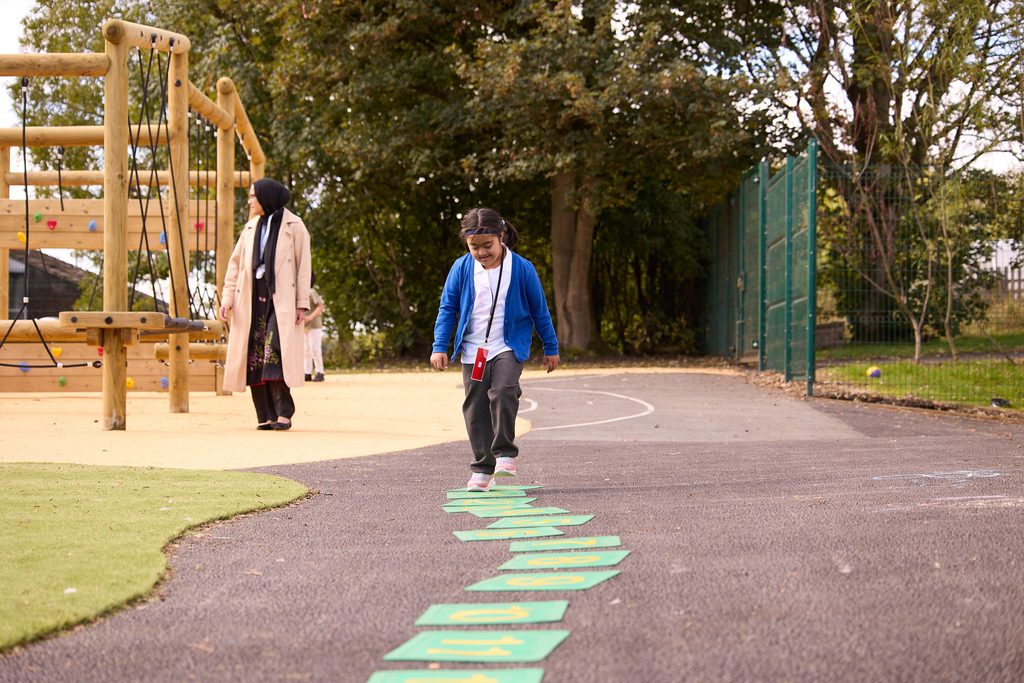
Arriving at Chellow – “My school day starts when I arrive at school.”

Getting ready for my day – “I check my timetable so I know what is happening.”

Learning – “My learning is personalised to me.”
My teacher and support staff know my individual needs and adapt activities, resources, communication and the environment to help me access my learning. My learning is linked to my individual targets and the skills I need to develop.
During my day I might take part in:

Communication – “I have lots of ways to communicate.”
I might communicate using:
Adults around me know how I communicate and give me time and opportunities to express myself.
Communication is part of everything I do.

Regulation and sensory support – “Sometimes I need help to feel ready to learn.”
My staff understand my sensory needs and know the strategies that help me to regulate.
I might use:
My adults help me recognise when I need support and develop strategies that help me to feel comfortable and ready to engage.

Eating and lunchtime – “Lunchtime is about more than eating.”
I am supported to eat and drink safely according to my individual needs.
Some pupils may have specific feeding plans or require additional medical support.
I have opportunities to develop independence, communication and social skills during mealtimes.

Physical activity and therapy – “ I engage in activities that support my wellbeing”
During my school week I may access activities such as:
These activities help me develop physical skills, confidence, communication, independence and wellbeing.

The adults who support me – “Lots of people work together to help me.”
The adults around me work together with my family to understand what I need and help me make progress.

Finishing my day – “Before I go home, I know what is happening next.”
I might use my visual timetable, communication system or familiar routines to help me prepare for home time.
My Teacher makes sure important information and photos are shared with my family about my day.